
Not Your Average Traffic Stop: The Bizarre Encounter with a Raccoon and a Meth Pipe
In a startling incident that has garnered both laughter and disbelief, local police recently encountered a raccoon clutching a meth pipe during an ordinary traffic stop. This peculiar event has not only highlighted the bizarre intersection of drug use and wildlife behavior but has also raised questions about the broader implications for public safety and animal welfare. 🚓🦝
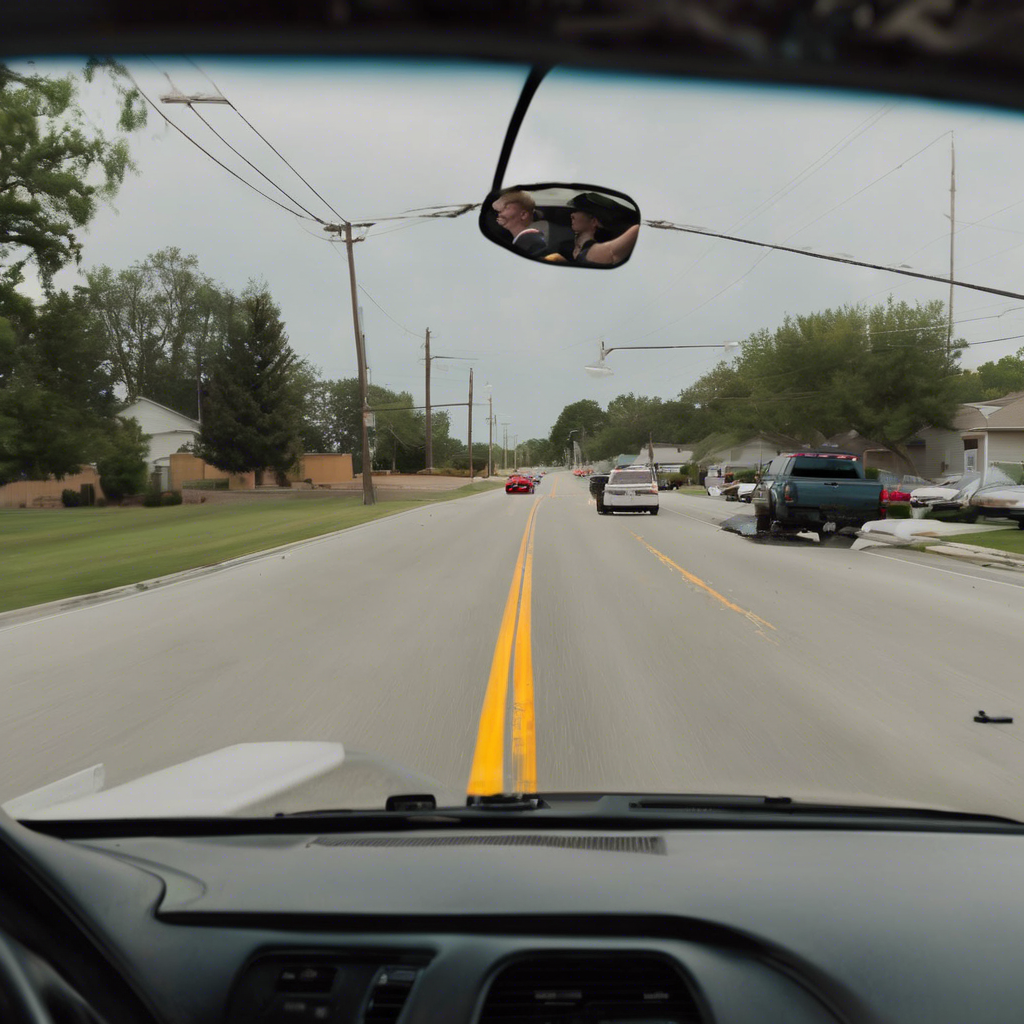
The extraordinary moment unfolded during a routine traffic enforcement procedure in a quiet suburban area, where officers pulled over a vehicle for a minor infraction. As they approached the car, a raccoon suddenly emerged from the nearby bushes, holding what appeared to be a methamphetamine pipe. The video of the encounter quickly went viral, capturing the oddity of the situation and prompting a diverse range of public reactions online.
The Context: Wildlife and Urban Environments
Raccoons are notorious for their adaptability to urban landscapes. Often seen rummaging through garbage bins or loitering around streetfood stalls, these animals have developed a reputation for scavenging—a behavior that can occasionally lead them to unusual items, including drug paraphernalia. 🗑️
Statistical data from wildlife researchers indicates that the urban raccoon population has been on the rise. According to the U.S. Fish and Wildlife Service, approximately 30 million raccoons inhabit urban areas across the United States, where they often encounter human refuse. Their omnivorous diets and cleverness make them adept survivors in environments shaped by human activity, yet this proximity also poses risks, including potential exposure to hazardous substances.
“The adaptability of raccoons is both fascinating and concerning. As they thrive in our urban spaces, we must consider the unintended consequences of their interactions with human waste, including drug-related items,” explains Dr. Lena Torres, a wildlife biologist specializing in urban ecology.
The Impact of Drug Use on Wildlife
The ramifications of drug use extend beyond human cultures; exposed wildlife can exhibit concerning behavioral changes. A study published in the Journal of Wildlife Management found that animals consuming substances like marijuana can experience impaired motor functions and altered behaviors, which complicates their survival in the wild. 🔬
Moreover, a study by the National Institutes of Health suggests that secondary exposure, where wildlife ingest substances through contaminated food or waste, can lead to a range of health complications. As raccoons and other urban wildlife come into contact with drug paraphernalia, public health concerns emerge regarding the ecosystem’s integrity and potential pathways for zoonotic diseases to spread.
A Response from Authorities
This peculiar traffic stop has sparked interest among law enforcement agencies about how to best address the issue of discarded drug paraphernalia in urban habitats. Police departments are now considering enhanced public education campaigns to instruct community members on responsibly disposing of items that could harm wildlife. 🗣️
Community organizations have also stepped in, organizing clean-up initiatives in parks and public spaces designed to reduce the presence of drug-related waste that may inadvertently endanger the local fauna. These efforts are part of a broader push for wildlife protection in urban zones, reflecting a growing recognition of the interdependent relationship between humans and nature.
The Public’s Reaction: Humor Amidst Concern
The internet frenzy that followed the video of the raccoon was a mixture of humor and concern. Memes flooded various social media platforms, showcasing the raccoon as a new symbol of urban resilience, humorously nicknamed “Methcoon.” 😂 At the same time, many expressed dismay over the reality that wildlife often pays the price for human indiscretions, underscoring the need for greater awareness of both drug use and animal welfare.
As amusing as the situation may appear, it serves as an impetus for serious discussions about the consequences of human behaviors on surrounding ecosystems. Animals like raccoons, who often bear the brunt of our carelessness, remind us of the delicate balance we share with the natural world and the importance of fostering environments where wildlife can thrive safely.
Conclusion: A Call to Action
As we navigate the complexities of urban wildlife, this incident serves as a critical reminder of our responsibility to maintain cleaner and safer environments. Public safety extends beyond human interactions; it encompasses the well-being of all creatures that share our habitat. By advocating for responsible disposal practices and supporting wildlife-friendly initiatives, we can create a future where both humans and animals coexist harmoniously. 🌍



Can you imagine the raccoons face when caught with a meth pipe? Natures gone wild! What a bizarre story. 🦝🤯
Can you believe a raccoon with a meth pipe? Wildlife gone wild! Whats next, squirrels with espresso shots? Natures getting wild!
Can you believe a raccoon with a meth pipe? Wildlife getting wild out there! Whats next, squirrels with coffee addiction? 🦝☕
Can you imagine the raccoons face when busted with a meth pipe? Poor guy mustve been having a wild night out in the city! 🦝🚔
Can you imagine a raccoon getting busted with a meth pipe? What a wild world we live in! Nature meets urban chaos.
Can you believe a raccoon with a meth pipe? Wildlife getting wild out there! Whats next, squirrels with coffee addiction?