

Jetport Dreams: The Everglades That Might Have Been
In the heart of the Florida Everglades, an ambitious vision of an air travel hub once stirred imaginations and ignited hopes of economic boom. The Everglades Jetport project, proposed in the 1960s, promised to transform this pristine, wild landscape into a bustling nexus of tourism and commerce. Today, as we look back through historic photographs and archival documents, we are left with a haunting question: what could have been? 🌴✈️
Envisioned as an environmentally friendly airport, the Jetport was intended to accommodate the growing influx of visitors to Florida. Proponents touted its potential to catalyze a Florida tourism renaissance, bringing amenities and infrastructure to a region rich in ecological and recreational opportunities. Yet, as dreams often do, this one collided with a stark reality: a united front of environmental advocacy that rallied to protect the fragile ecosystems of the Everglades.
The Vision: Jetport Dreams Unveiled
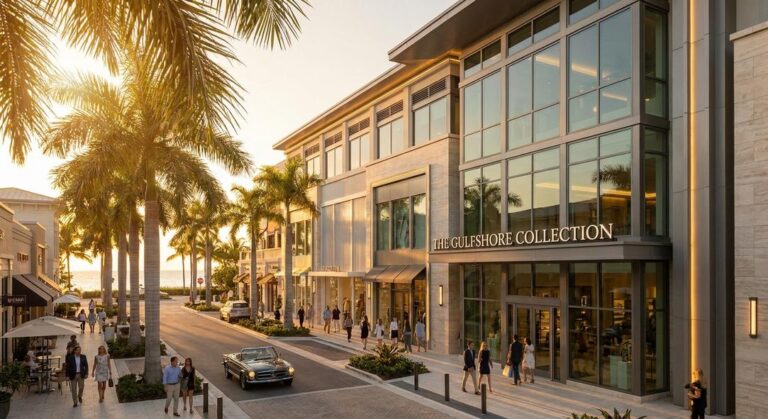
In 1971, Florida’s state government celebrated the project’s initiation with grand plans sketched on blueprints. The vision encompassed a sprawling airport that would service over 1.5 million passengers annually, with terminals designed to blend seamlessly into the landscape. Architects and aviation enthusiasts alike envisioned a stunning nexus that would balance human activity with nature’s wonders.
“It was going to create jobs, boost tourism, and bring unprecedented economic growth to the region,” reflects Dr. Terry Flynn, an aviation historian. “But it also faced fierce opposition from those who recognized the environmental price of such progress. This was the era of conservation consciousness.”
The Opposition: An Ecological Stand
Local residents and conservationists rallied against the Everglades Jetport, understanding the specificity and depth of the wetlands’ ecosystems. The Everglades is a unique biosphere, home to a variety of flora and fauna, many of which are endangered, like the Florida panther and the American crocodile. 🌿🎋
By the late 1970s, public sentiment shifted. Increased awareness of environmental preservation catalyzed a movement that successfully thwarted plans for the Jetport. Groups such as the Sierra Club and the National Audubon Society mobilized efforts to highlight the ecological threats posed by the development. The project was eventually shelved in 1980.
What Emerged: From Jetport to Alligator Alcatraz
The failure of the Jetport project marked a pivotal moment for the Everglades, steering the focus towards conservation rather than commercialization. In its place, the Alligator Alley Wildlife Refuge emerged, a testament to a commitment to protect and preserve Florida’s unique ecological offerings. 🐊
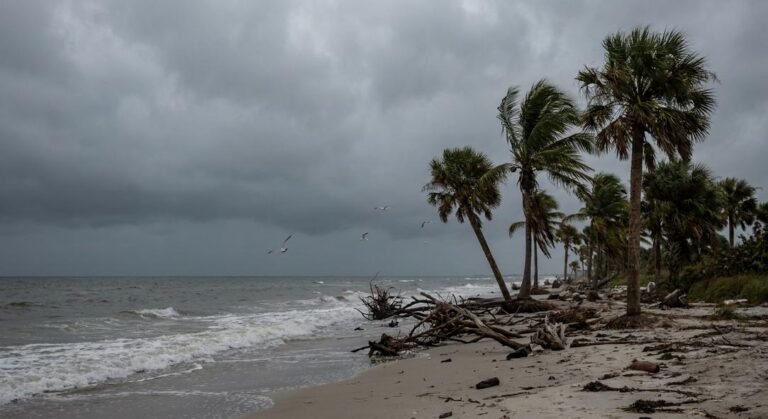
Today, a single trip through the existing marshy roads reveals remnants of that unrealized dream. While visitors ride through the landscape’s sweeping vistas, they can find a striking contrast to what could have been—a thriving jetport replaced by wetlands rich with biodiversity.
Reflective Remnants: A Glimpse Through Historic Photos
Historic photographs paint a vivid image of ambition, showcasing extravagant designs and buzzing concepts that could have altered the fabric of Florida forever. Archival images reveal mockups of trendy terminals adorned with native plants and solar panels, illustrating the original vision of the Jetport as a model of ecological innovation. 📸
Experts cite these images as vital reminders of how aspirations can clash with landscapes and serve as cautionary tales about prioritizing nature amidst development’s allure. “Every photo tells a story of possibility,” says environmental artist Renée Vargas, who uses her work to explore themes of environmental impact. “Yet, it’s essential to learn from those ambitions and respect our natural habitats.”
The Legacy: Lessons Learned
The story of the Everglades Jetport is far from a mere historical footnote. The whistle was blown on the project—a truer triumph for environmental advocates than any infrastructure could bring. As climate change intensifies pressures on ecosystems worldwide, the decisions surrounding the Jetport become a poignant reminder of the fragility of our natural world.
As Florida contemplates further developmental endeavors, the lessons learned from the Jetport initiative integrate into modern planning discussions and policies aimed at fostering sustainable tourism that respects both economic and environmental priorities. 💚🌊
A Future Reimagined
The Everglades Jetport may have never taken flight, but what remains is a glorious wilderness that offers a different kind of adventure—a perennial expedition into nature’s heart. As people continue to flock to the Everglades, they are merely rewriting the narrative that “progress” need not always mean paving over paradise but can instead embrace stewardship and conservation.
While the dream of an aviation hub may stay lost in history, the lush cypress trees, serene waters, and vibrant wildlife remain steadfast. The Everglades’ preservation serves as a living testament to resilience, echoing a truth that resonates far beyond its swampy borders—nature’s integrity often triumphs in the face of man’s ambitions. 🌅🔥

Can you believe the Everglades couldve been a jetport? Environmental victory or missed opportunity? What do you think? 🌿🌴✈️
Isnt it crazy how close we were to having a jetport in the Everglades? Thankful for the environmental victory! 🌿✈️
Do you think the Everglades Jetport would have been a disaster or a missed opportunity? Lets discuss! 🌿✈️
Do you think the Everglades dodged a bullet or missed out on progress with the Jetport? Lets debate! 🌿🛫
What if the Everglades Jetport had been built? Would it have been a modern marvel or an environmental disaster? Lets debate!
Do you think the Everglades Jetport would have been a modern marvel or an ecological disaster? Lets discuss!
Do you think the Jetport in the Everglades would have been a game-changer or a disaster? Lets debate!
Do you think the Everglades Jetport would have been a disaster or a necessary development? Lets discuss!